
2026-01-02
What Really Matters in 2026 and Why Digital Buildings Are Part of the Solution
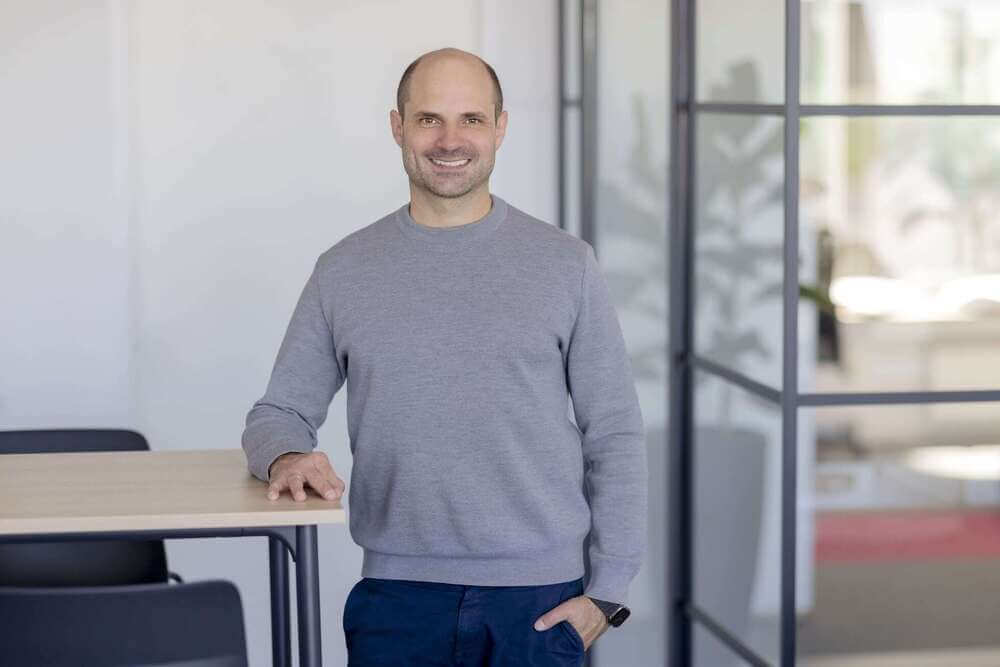
The start of a new year is traditionally filled with lists of trends. But instead of speculating about “Top Ten Predictions,” I want to share four firm convictions that, to me, will be decisive in 2026 and beyond. Not as trends, but as robust developments that I witness every day in projects and conversations. They are shaping the future of the real estate industry and turning buildings into an active lever for a livable future.
Platformization Is Becoming the Structural Standard in Building Operations
When we founded aedifion in 2017, the idea of a central cloud platform as the standard tool for building operations was visionary. Today, it is reality. The current digitalization study by the German Property Federation (ZIA) and EY-Parthenon shows this clearly: 82 % of the real estate experts surveyed – mainly from traditional disciplines like facility, property, and asset management – are convinced that cloud solutions and integrated specialist tools will prevail.
As a result, priorities are shifting: data availability, data quality, and cross-lifecycle usability are taking center stage. Buildings are becoming flexible, data-driven systems – and “cloud first” is now a pragmatic approach rather than a trend.
2026 will be the year when platformization moves from strategic papers into technical practice. Let’s seize this development to finally operate buildings in a data-driven, efficient, and transparent way.
Generative AI Will Fundamentally Transform Operational Processes in Building Management
I spoke frequently in 2025 about how generative AI is not an additional tool but a structural lever in building operations. At EXPO REAL, we were able to demonstrate with our AI Assistant how this technology can make the daily lives of the people who keep our buildings running much easier.
The strength of this technology does not lie in the fascination of novelty but in its effect: knowledge becomes more accessible, processes become more transparent, decisions more sound, and disruptions are detected and resolved earlier. Especially in times of skilled labor shortages, this is no longer a nice-to-have but a necessity.
2026 will be the year when generative AI stops feeling experimental and becomes second nature – in every building, in every team. Let’s seize this opportunity and make it the central strategic tool of modern building operations.
Decarbonization Will Progress – Data-Driven and With Digital Empowerment at Its Core
When political voices claim that decarbonization is too expensive, I strongly disagree. The market already paints a different picture and has long priced sustainability in: Fossil-based heat generation is becoming more expensive due to CO₂ pricing. Buildings with poor emission profiles are losing value. Energy prices follow clear physical and economic laws, as the example of dynamic electricity tariffs shows. And renewable energies are no longer symbolic policy – they are the most cost-effective form of power generation today. Forecasts indicate that by 2030, around 95 % of global renewable capacity additions will come from solar and wind, as their levelized costs of electricity are well below fossil alternatives in most countries.
For buildings, this means:
- Systematic efficiency through data-based monitoring
- AI-supported analysis and predictive operational optimization
- Consistent electrification of heating systems
- Flexible load management and powerful storage solutions
- Intelligent integration with the energy market
These approaches are not theoretical visions from European lecture halls or research centers but proven tools delivering tangible results along the decarbonization pathway. Even those who may not believe in climate change benefit economically from efficiency.
In 2026, the question should not be whether we decarbonize our building stock, but how consistently we do it. Let’s use digital tools to make decarbonization visible, measurable, and economically successful.
The Flexibility of Buildings Will Become a Key Resource in the Energy System
We are witnessing a shift that is starting quietly but fundamentally transforming the energy system: energy flows are becoming increasingly decentralized, volatile, and dynamic. The electrification of heating systems is already well underway – opening enormous potential for buildings.
Every building has flexibility: thermal storage capacity, load shifting potential, self-generation opportunities. Those who harness this flexibility – through demand side management, dynamic electricity cost optimization, or using buildings as energy storage – lower costs, relieve grids, and increase energy efficiency. Photovoltaics, heat pumps, battery storage, and a building’s thermal capacity can be interconnected to form a stabilizing element of the energy system. Cloud platforms for digital operational optimization bring these components together and link them directly to the power market.
2026 will be the year when this flexibility moves beyond concept and becomes actively used in building operations. Let’s seize this opportunity to make buildings active participants in a stable and sustainable energy system.
Conclusion: Every Building Counts!
All four convictions point in the same direction: the building sector will become more digital and more integrated into the energy system than ever before. Looking toward 2026 and beyond, I no longer see the roadblocks that once held the real estate industry back. I see potential – economic, ecological, technological.
We already have everything we need: technologies, data, benchmarks, and successful operations. Now it’s time to do the obvious – to see our buildings not as part of the problem, but as part of the solution.
At aedifion, we are committed to this mission and we will leave no building behind. 2026 is the year we make this transformation happen.
Buildings Simply Made Better
Get in Touch With US!
In a one-on-one meeting, we will clarify your specific requirements and demonstrate how our AI-based cloud solutions and service packages can benefit you.